Can a Tiny Home Be an Affordable Second Home?
For many buyers, the dream of owning a second home comes with one major obstacle: cost.
Traditional vacation homes can involve a significant purchase price along with ongoing expenses such as property taxes, maintenance, utilities, landscaping, repairs, and insurance.
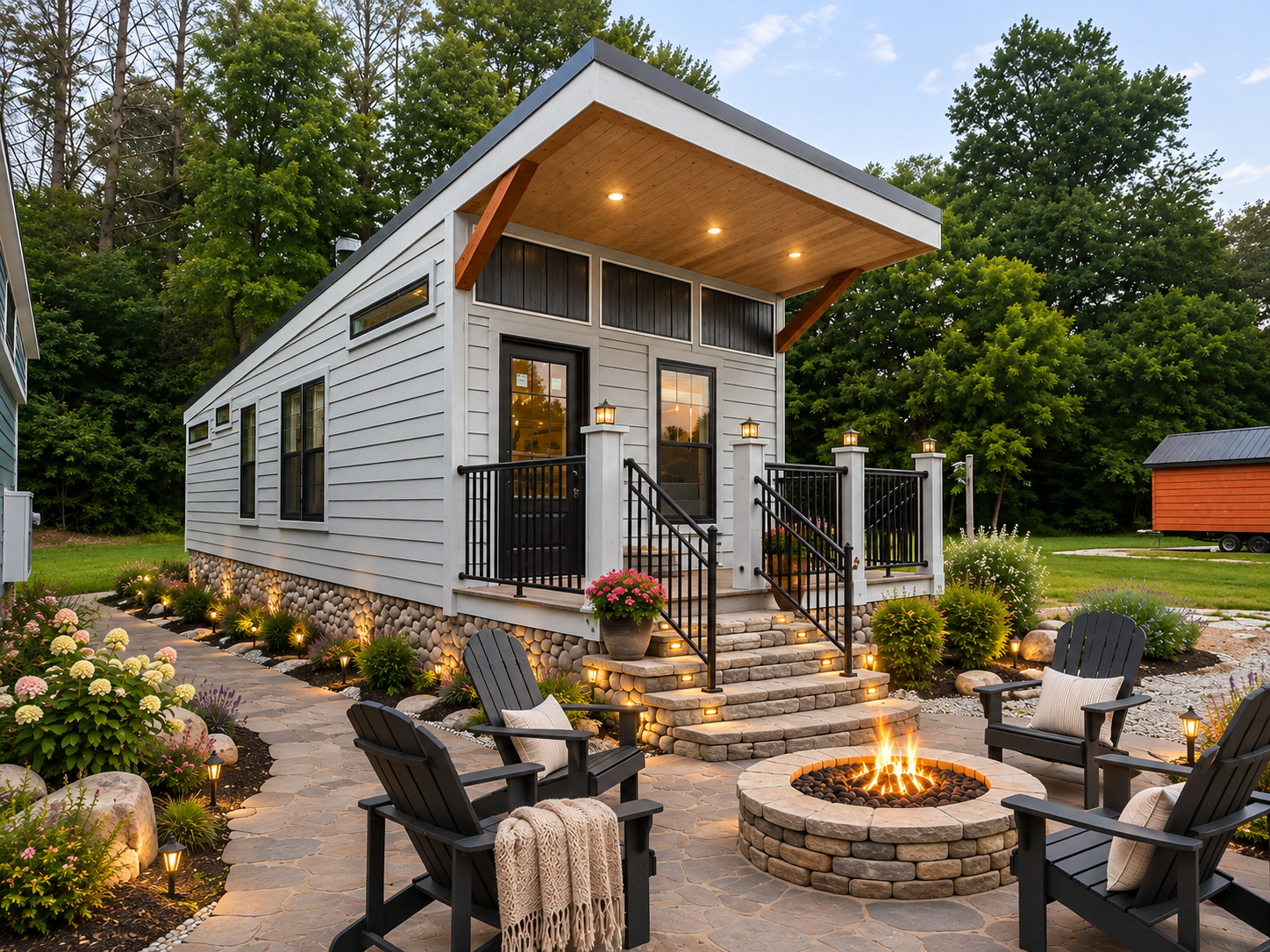
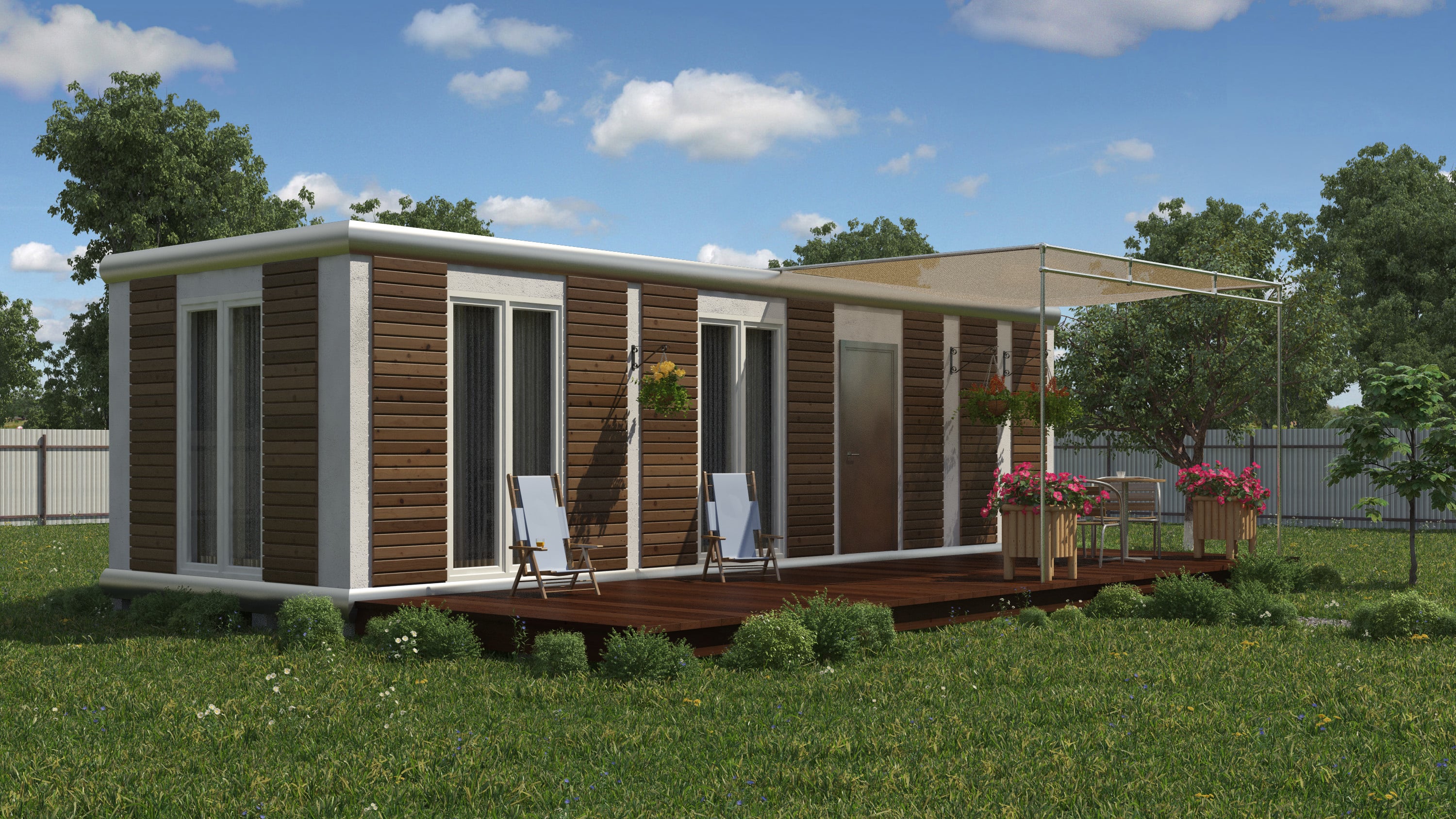
For buyers who want a place to escape, spend summers in the mountains, visit family, or enjoy retirement, a thoughtfully designed tiny home or cottage can offer another path.
A Tiny Life® home can provide many of the experiences buyers want from a traditional second home without requiring the size and maintenance of a larger property.
Why Tiny Homes Can Work Well as Second Homes
Lower Entry Point
A smaller home can provide access to second-home ownership at a lower price point than many traditional vacation or mountain properties.
This can make it possible for buyers to own a dedicated getaway without taking on the financial commitment of a larger home.
Less Maintenance
A smaller footprint generally means less space to:
- Clean
- Heat and cool
- Furnish
- Repair
- Maintain
- Landscape
For second-home buyers, this can be especially valuable because the goal is often to enjoy the property, not spend weekends maintaining it.
Flexible Placement
Depending on the home type and local requirements, buyers may be able to place their cottage:
- On privately owned land
- In a cottage community
- In a park model community
- On a mountain property
- Near family or recreational destinations
This flexibility gives buyers multiple ways to create the second-home lifestyle they want.
A Mountain Lifestyle Without a Traditional Mountain Home
For buyers who love Western North Carolina and the Blue Ridge Mountains, a smaller cottage can offer a simpler way to enjoy mountain living.
A second home can become a place for:
- Summer escapes
- Weekend getaways
- Family gatherings
- Retirement living
- Seasonal stays
- Outdoor recreation
- Time away from hotter climates
The value is not simply in owning another property. It is in creating a place that supports the lifestyle you want.
Financing Options
Different home types may qualify for different financing programs.
Park model homes are commonly financed through specialized lenders, while HUD-code manufactured homes may qualify for more traditional financing depending on the property, foundation, and ownership structure.
A financing specialist can help buyers understand which option best fits their goals.
Who Should Consider a Tiny Home as a Second Home?
A tiny home or luxury cottage may be a strong fit for:
- Florida residents seeking a summer mountain retreat
- Retirees looking for a seasonal residence
- Families who want a weekend getaway
- Buyers wanting a lower-maintenance mountain property
- People considering a future relocation
- Buyers who want a second home without the cost of a traditional large property
A Different Way to Think About Second-Home Ownership
Many people assume a second home must be a large cabin, condo, or traditional house.
That is no longer the only option.
A thoughtfully designed cottage can provide the privacy, comfort, and sense of ownership people want from a second home while creating a simpler and more manageable experience.
For buyers who value lifestyle over square footage, it can be an appealing alternative.
CTA: Explore Affordable Second-Home Options
Frequently Asked Questions
Are tiny homes good for second homes?
Yes. Tiny homes and park model cottages can work well as second homes because they typically offer lower maintenance, smaller footprints, and flexible placement options.
Can I finance a tiny home as a second home?
Financing depends on the type of home. Park model homes and manufactured homes often use different lending programs, so it is important to choose the home type that fits your financing goals.
Where can I place a tiny home?
Placement depends on local zoning, the home classification, and the property. Tiny homes may be placed on private land or within approved communities depending on local requirements.