

To keep life simple.
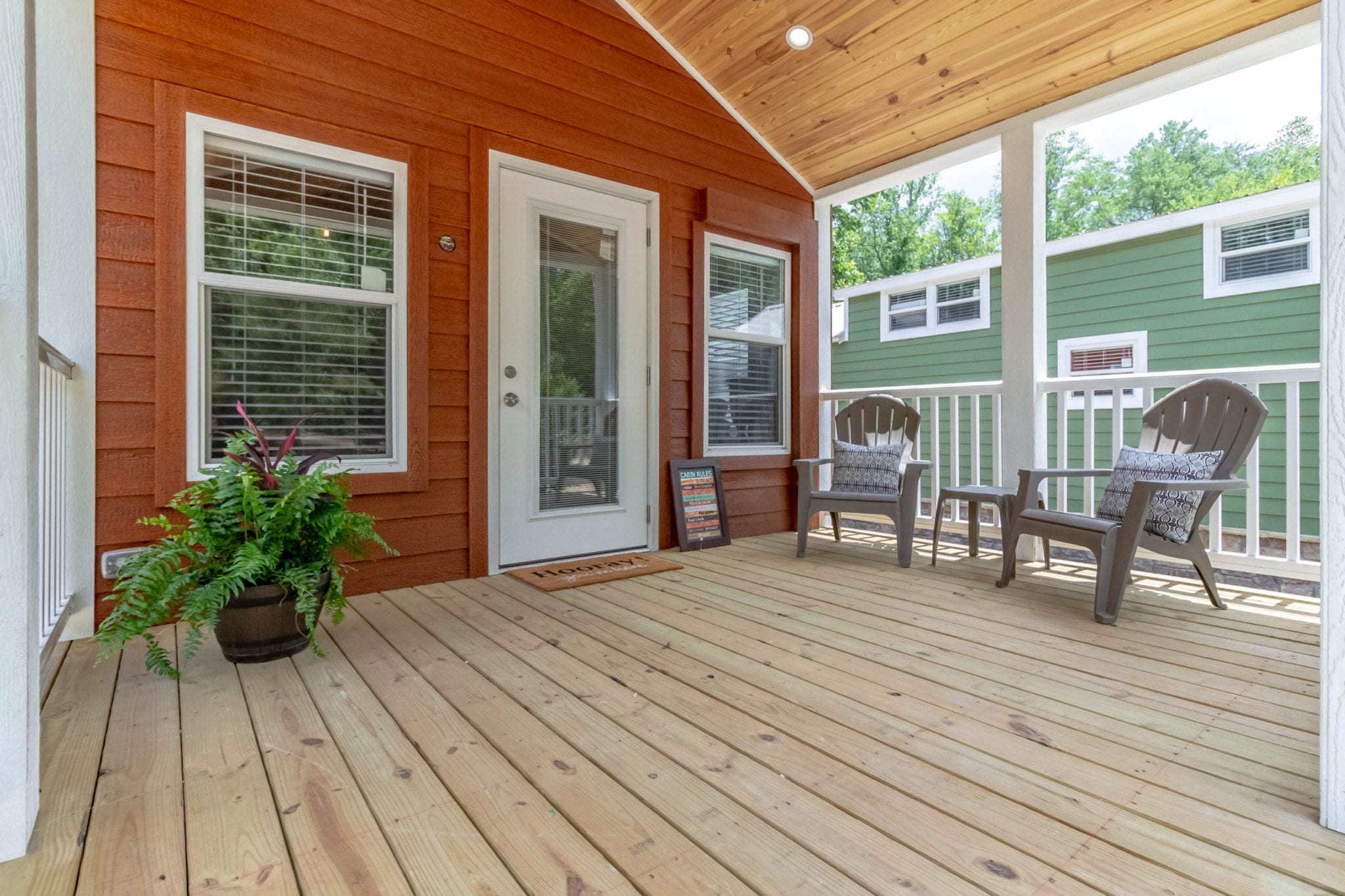 Simple living encompasses a number of different voluntary practices to simplify one’s lifestyle. These may include, for example, reducing one’s possessions, generally referred to as minimalism, or increasing self-sufficiency. Simple living may be characterized by individuals being satisfied with what they have rather than want. Although asceticism generally promotes living simply and refraining from luxury and indulgence, not all proponents of simple living are ascetics. Simple living is distinct from those living in forced poverty, as it is a voluntary lifestyle choice, which is commonly known now as the Tiny House Movement.
 This movement has led to the establishment of TINY LIFE HOMES located in the enchanting little town of FRANKLIN, NC. Adherents may choose simple living for a variety of personal reasons, such as spirituality, health, increase in quality time for family and friends, work–life balance, personal taste, financial sustainability, frugality, or reducing stress. Simple living can also be a reaction to materialism and conspicuous consumption. Some cite socio-political goals aligned with the environmentalist, anti-consumerist or anti-war movements, including conservation, regrowth, social justice, and tax resistance.
Famous in history.
— Henry David Thoreau, “Where I Lived, and What I Lived For”,
Thoreau felt a need to concentrate and work more on his writing. In March 1845, Ellery Channing told Thoreau, “Go out upon that, build yourself a hut, & there begin the grand process of devouring yourself alive. I see no other alternative, no other hope for you.” Two months later, Thoreau embarked on a two-year experiment in simple living on July 4, 1845, when he moved to a Tiny House he had built on land owned by Emerson in a second-growth forest around the shores of Walden Pond. The house was in “a pretty pasture and woodlot” that Emerson had bought, 1.5 miles (2.4 km) from his family home.